

Free physics notes
Physics, explained chapter by chapter
Notes that cover the concepts, work through the derivations, and show the results — with diagrams, typeset equations, and simulations you can try yourself.
- Chapters
- 2
- Branches live
- 1 of 6
- No account needed
- Free
Quote of the day
In their own words
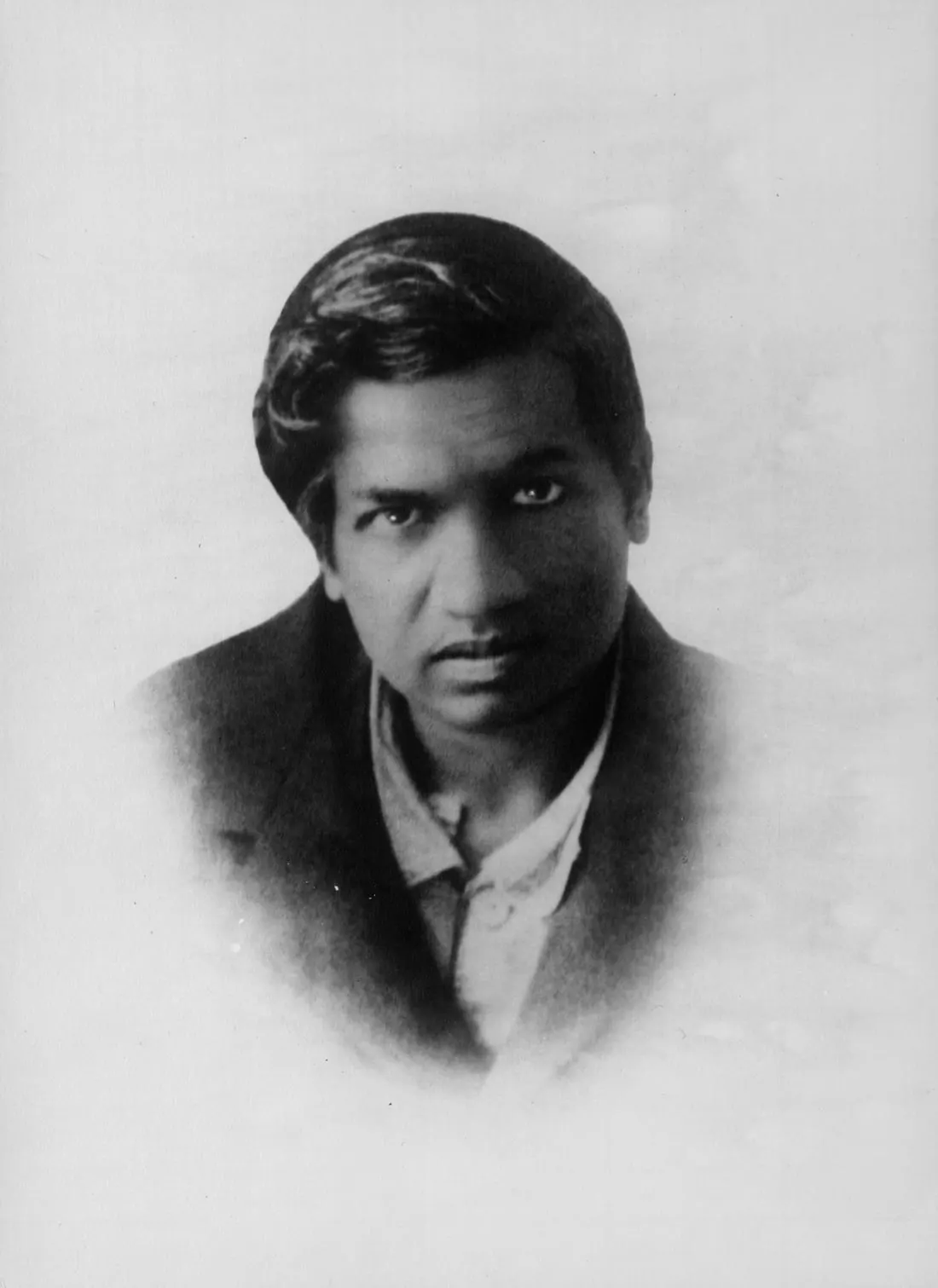
“An equation has no meaning for me unless it expresses a thought of God.”
Srinivasa Ramanujan1887–1920 · MathematicsAs recalled by S. R. Ranganathan, Ramanujan, the Man and the Mathematician, 1967
Photograph c. 1919, Cambridge University Library. Public domain.
Curriculum
The six branches of physics
Each branch is divided into chapters meant to be read in order, since later chapters build on earlier ones. Mechanics is available now; the remaining branches are in progress.
- 01
Mechanics
Vectors, motion, forces, and energy: how bodies move and why.
- 02
Oscillations & Waves
Periodic motion, resonance, and how waves carry energy.
- 03
Thermodynamics
Heat, temperature, entropy, and the laws of energy transfer.
- 04
Electromagnetism
Electric and magnetic fields, circuits, and Maxwell’s equations.
- 05
Optics
Reflection, refraction, lenses, interference, and diffraction.
- 06
Modern Physics
Relativity, quantum mechanics, atoms, and the nucleus.
Inside a chapter
What every chapter includes
Step-by-step derivations
Every result is derived from stated assumptions, so you can follow each step instead of taking it on trust.
Clearly typeset equations
Math is typeset with KaTeX, so it stays sharp, selectable, and readable at any size.
Diagrams and video
Labelled figures for the geometry, plus a video explanation where watching is easier than reading.
Interactive simulations
Simulations sit next to the theory, so you can change one variable and see how the rest responds.
Feedback & Appreciation
Share feedback or a kind note
Notice an error, have an idea for a simulation, or want to say thanks? We’d love to hear from you.